
SolarPath designs and deploys solar lighting across three primary market verticals. Each project begins with a site assessment and a stamped photometric study, continues through an autonomy calculation tied to the site’s peak sun hours (PSH), and ends with a field-team commissioning report on handover. We deliver consistent results whether the project is a 10-fixture corridor or a 200-fixture multi-site corridor deployment.
Installing solar lighting for public spaces is one of the most impactful upgrades a municipality can make – but budget is always a concern.
Grant funding can help you:
If you’re considering solar lighting for parks, streets, trails, or civic areas, it’s worth exploring potential funding options.
Many agencies are using federal and state funding to accelerate solar lighting and resilience infrastructure projects – including transportation safety (such as Safe Streets and Roads for All / SS4A), pedestrian infrastructure, resiliency, and public-space programs, with Build America, Buy America (BABA) considerations on federally funded work.
SolarPath products may be eligible for funding through programs such as SS4A, subject to project requirements, agency approval, and applicable program guidelines.
To be clear, SolarPath does not provide grant funding and cannot guarantee project eligibility. Our solar lighting solutions are, however, frequently incorporated into projects funded through federal, state, and local grant programs — including Safe Streets and Roads for All (SS4A) and other transportation safety, pedestrian safety, trail, and public infrastructure funding initiatives. Whether a specific project qualifies depends on its requirements and agency approval.
While every project is different, these ten funding programs most often support municipal solar lighting:
The U.S. government offers funding programs through departments like the DOE, DOT, and EPA. These programs often support cities working toward energy efficiency and grid independence.
Many states provide grants for climate adaptation, storm recovery, or energy modernization. These funds often prioritize solar lighting for public safety and disaster resilience.
Solar path lights for bike lanes, greenways, or sidewalks may qualify under transportation or mobility initiatives – especially when improving pedestrian safety.
Some counties and municipalities offer their own mini-grants for beautification, renewable energy, or crime prevention. Solar lighting often fits the goals of these initiatives.
Administered through HUD, CDBG programs support projects in underserved areas – including solar lighting for public parks and neighborhoods. CDBG funds have paid for municipal solar street lighting in outlying areas - Bexar County, TX is a published precedent.
Municipalities are tax-exempt and cannot claim the federal Investment Tax Credit directly. Elective Pay (Direct Pay) under IRA Section 6417 lets cities, counties, and tribal governments receive the credit's value as a direct payment on qualifying solar projects.
USDOT discretionary grants that explicitly fund lighting improvements for pedestrian and roadway safety - a strong fit for corridor and crosswalk lighting projects.
Federal-aid safety funding administered by state DOTs for infrastructure improvements, including roadway lighting at intersections and corridors with nighttime crash history.
DOE formula and competitive grants for local government energy projects - solar lighting qualifies as both an efficiency measure and a renewable measure.
Federal-aid set-aside funding for trails, greenways, and pedestrian infrastructure - the funding path for trail and pathway lighting projects.
At SolarPath, we help cities across the U.S. plan, design, and install grant-ready solar lighting systems.
We provide:
Our team stays current with national and local grant programs – and we’re happy to assist your city in identifying potential funding sources.
Let us help you get started.
We’ll create a custom solar lighting plan for your project and share insights into available funding pathways – all at no cost.
Yes. Federal programs including Safe Streets and Roads for All (SS4A), the Highway Safety Improvement Program (HSIP), the Transportation Alternatives Program (TAP), EECBG, and Community Development Block Grants (CDBG) have funded municipal lighting projects. And because municipalities are tax-exempt, Elective Pay / Direct Pay under IRA Section 6417 lets them monetize the federal Investment Tax Credit as a direct payment.
Yes. SolarPath provides photometric studies, fixture specifications, cost estimates, and supporting documentation that municipalities attach to grant applications, and works to application deadlines.
Solar lighting still eliminates trenching and electrical service costs - typically 40 to 60 percent of a grid-tied installed cost - and removes recurring energy billing, so many projects fund from the capital budget alone.
Small and rural communities are frequently eligible for CDBG, EECBG, and state resilience programs, and rural corridor projects can qualify under HSIP through the state DOT.
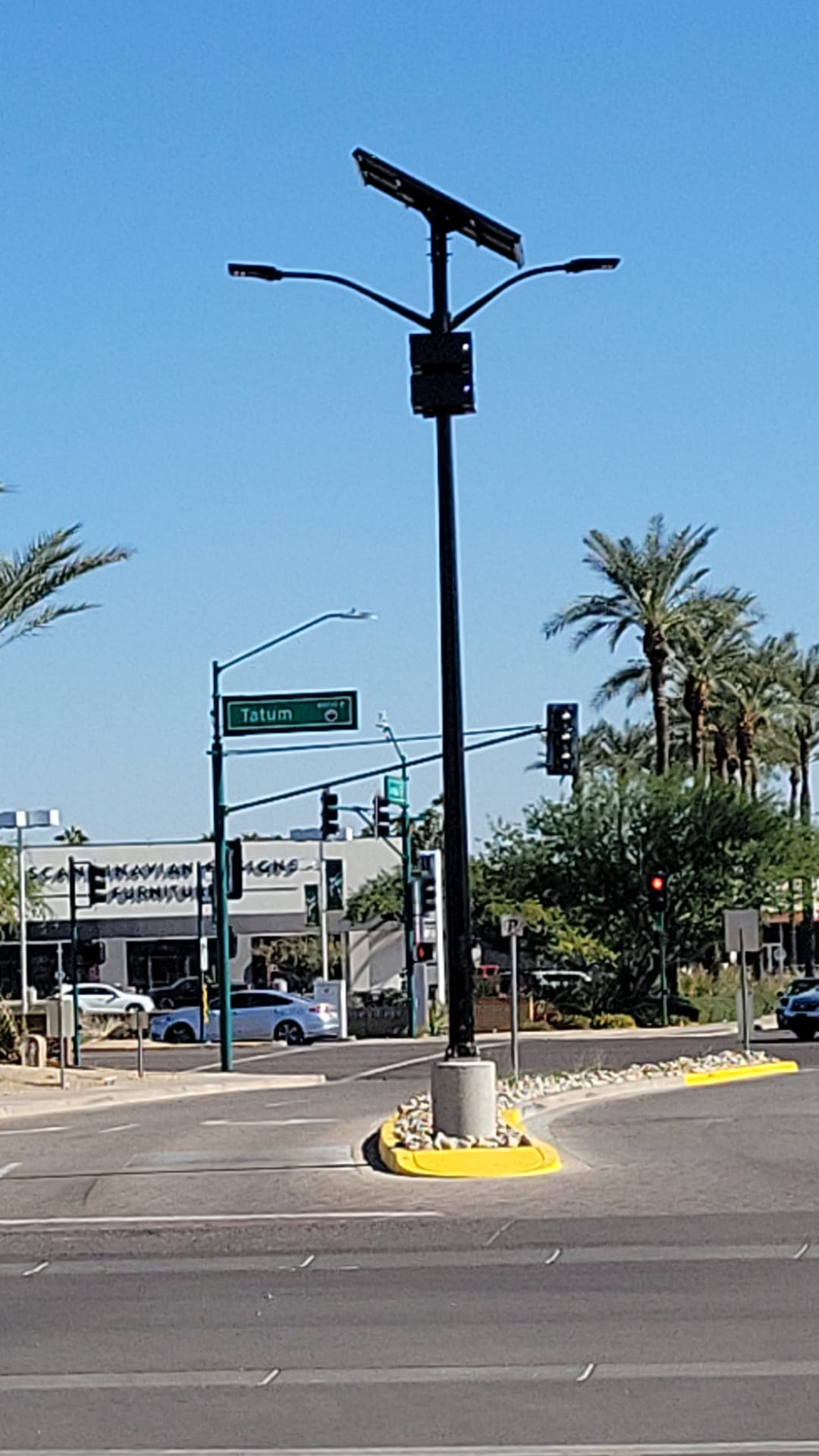
Request a stamped IES RP-8 photometric study and a fixture-count estimate for your site. No utility coordination, no electrical permit, no recurring energy cost.
Or call 201-490-4499